
A Small Note on Utilitarianism

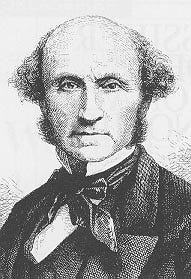
A common critique against utilitarianism is its belief in the quantification of happiness. Although this is in some ways correct, it neglects Mill’s awareness concerning the “tyranny of the majority ‘ :
Protection, therefore, against the tyranny of the magistrate is not enough; there needs protection also against the tyranny of the prevailing opinion and feeling; against the tendency of society to impose, by other means than civil penalties, its own ideas and practices as rules of conduct on those who dissent from them; to fetter the development, and, if possible, prevent the formation, of any individuality not in harmony with its ways, and compel all characters to fashion themselves upon the model of its own.¹
Mill's will proceed to say that we must think about the limit between collective opinion and individual independence. Ironically, when we consider the issue, this is not a dilemma unique only to utilitarianism. For any and all consensus risks the tyranny of the majority. Therefore, any prevailing ethics succumbs to the same dilemma. It is of little matter whether the dominant ethics are of virtue or of moral imperative, the practical consequences are the same.
There will be those who dissent from the belief of such ethical practices and it will be a problem that must be dealt with. Despite it being described as a ‘problem of quantification’ it is an inescapable dilemma concerning group dynamics. There will always be those who are the unwanted and unheard minority.
I believe this should revise our critique against utilitarianism for it seems that Mills could see the contradictions brought about by the majority. In other words, he attempted to reconcile and think the majority even when it was currently not. However, it does appear that his concern about the majority is perhaps mistaken for he seems deeply troubled about those on the other end. I do not believe it is a stretch to say that Mill’s concern is ultimately a concern for all involved rather than those who find themselves to be the minority.²
¹ John Stuart Mill, On Liberty
² I believe the only criticism that may still have weight is Mill’s push on avoiding pain and advocating for pleasure instead.